时间:11/01/2025 11/02/2025
地点:星河禅修中心
主讲:黄云全
斋食养生
红米
红米:富含膳食纤维与抗氧化物的全谷物
一、红米是什么?
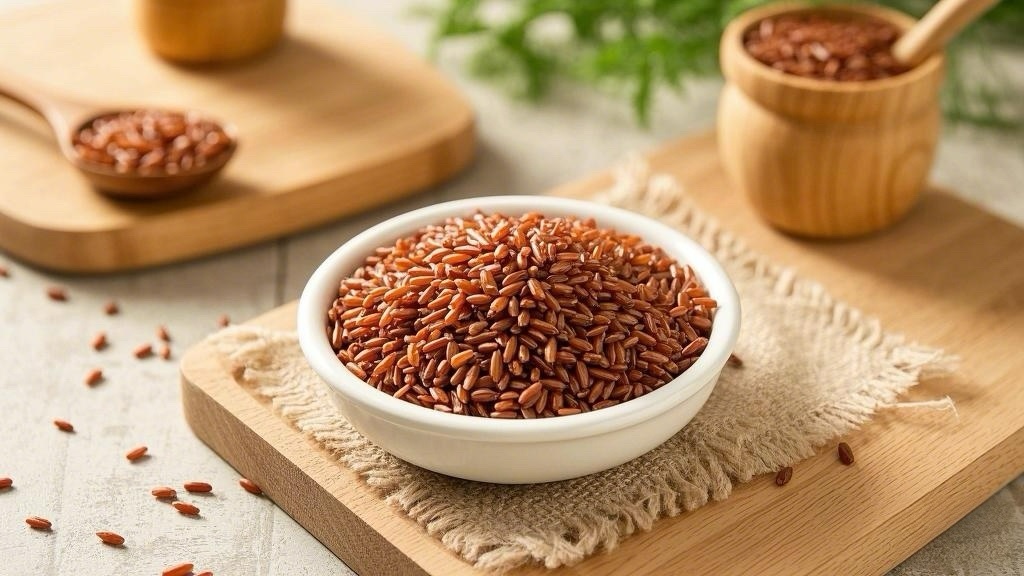
红米(学名 Oryza sativa)是一种未经精加工的全谷物大米,因其外壳呈红褐色而得名。红米主要生长在亚洲和非洲的特定地区,具有浓郁的米香和较高的营养价值。相较于普通白米,红米保留了更多的麸皮层,富含膳食纤维、维生素和矿物质。
二、红米的营养价值
红米是一种富含膳食纤维和抗氧化物的健康主食,其主要营养成分包括:
1.膳食纤维:有助于促进肠道蠕动,改善消化系统健康。
2.B族维生素:支持能量代谢,维持神经系统稳定。
3.铁:有助于血液循环,预防贫血。
4.镁:支持肌肉与神经功能,帮助降低压力。
5.抗氧化物(如花青素):减少自由基损害,延缓细胞衰老。
三、红米的健康益处
1.促进消化健康:高膳食纤维有助于预防便秘,维持肠道菌群平衡。
2.支持心血管健康:富含镁和抗氧化物,有助于降低胆固醇水平。
3.有助于血糖管理:相较于白米,红米的升糖指数较低,有助于维持血糖稳定。
4.增强免疫力:丰富的维生素和矿物质支持身体正常免疫功能。
5.帮助控制体重:高纤维和低热量的特性有助于增加饱腹感,减少过量饮食。
四、红米的食用方式
1.红米饭:与白米或糙米混合蒸煮,口感更丰富。
2.红米粥:慢炖熬煮,适合作为早餐或养生食品。
3.红米糙米炒饭:搭配蔬菜和豆类,增加膳食纤维摄入。
4.红米汤:可与莲子、红枣等食材搭配炖煮,口感清甜。
5.红米糕点:红米粉可用于制作健康版糕点或米饼。
五、关于红米的小知识
如何挑选优质红米?
选择颗粒完整、色泽均匀、无异味的红米。
红米需要浸泡吗?
是的,建议浸泡2-3小时,以缩短烹饪时间,使米饭更松软。
红米可以天天吃吗?
适量食用有益健康,建议与其他谷物搭配,确保营养均衡。
总结
红米是一种富含膳食纤维、B族维生素、铁和抗氧化物的全谷物食品。适量食用红米有助于促进消化、保护心血管健康、管理血糖水平,并增强免疫力。无论是煮饭、熬粥、炒饭还是制作糕点,红米都是健康饮食的理想选择。
Date: 11/01/2025 11/02/2025
Location: Star River Meditation Center
Teacher: Yunquan Huang
Buddhist Diet and Regimen
Red Rice
Red Rice: A Fiber-Rich and Antioxidant-Packed Whole Grain
1. What is Red Rice?
Red rice (Oryza sativa) is a whole grain rice variety known for its reddish-brown outer bran layer. It is primarily cultivated in parts of Asia and Africa and is highly valued for its rich aroma and superior nutritional benefits. Unlike white rice, red rice retains its bran, making it a great source of fiber, vitamins, and minerals.
2. Nutritional Value of Red Rice
Red rice is packed with fiber and antioxidants, making it a healthy dietary choice. Key nutrients include:
1.Dietary Fiber: Supports digestion and promotes gut health.
2.B Vitamins: Essential for energy metabolism and nervous system function.
3.Iron: Aids in blood circulation and helps prevent anemia.
4.Magnesium: Supports muscle and nerve function while reducing stress.
5.Antioxidants (such as Anthocyanins): Help protect cells from oxidative stress and aging.
3. Health Benefits of Red Rice
1.Aids Digestive Health: High fiber content prevents constipation and supports gut microbiota.
2.Supports Heart Health: Rich in magnesium and antioxidants, helping lower cholesterol levels.
3.Helps Regulate Blood Sugar: Lower glycemic index (GI) compared to white rice, aiding blood sugar stability.
4.Boosts Immunity: Packed with essential vitamins and minerals that strengthen immune function.
5.Aids in Weight Management: High fiber and lower calorie content help increase satiety and reduce overeating.
4. Best Ways to Eat Red Rice
1.Steamed Red Rice: Cooked alone or mixed with white or brown rice for enhanced texture.
2.Red Rice Porridge: Slow-cooked for a nourishing and wholesome breakfast.
3.Red Rice Stir-Fry: Combined with vegetables and legumes for extra fiber.
4.Red Rice Soup: Boiled with ingredients like lotus seeds and red dates for a naturally sweet taste.
5.Red Rice Cakes: Ground into flour for making healthy rice cakes or snacks.
5. Interesting Facts About Red Rice
How to Choose the Best Red Rice?
Look for whole, evenly colored grains with a fresh, natural scent.
Should Red Rice Be Soaked Before Cooking?
Yes, soaking for 2-3 hours helps reduce cooking time and improves texture.
Can Red Rice Be Eaten Daily?
Yes, but it’s best to pair it with other grains for a balanced diet.
Conclusion
Red rice is a fiber-rich, antioxidant-loaded whole grain that supports digestion, heart health, blood sugar management, and immunity. Whether steamed, made into porridge, stir-fried, or baked into snacks, red rice is a delicious and nutritious addition to a balanced diet.