时间:07/19/2025 07/20/2025
地点:星河禅修中心
主讲:黄云全
斋食养生
芝麻
芝麻:富含健康脂肪与矿物质的营养种子
一、芝麻是什么?
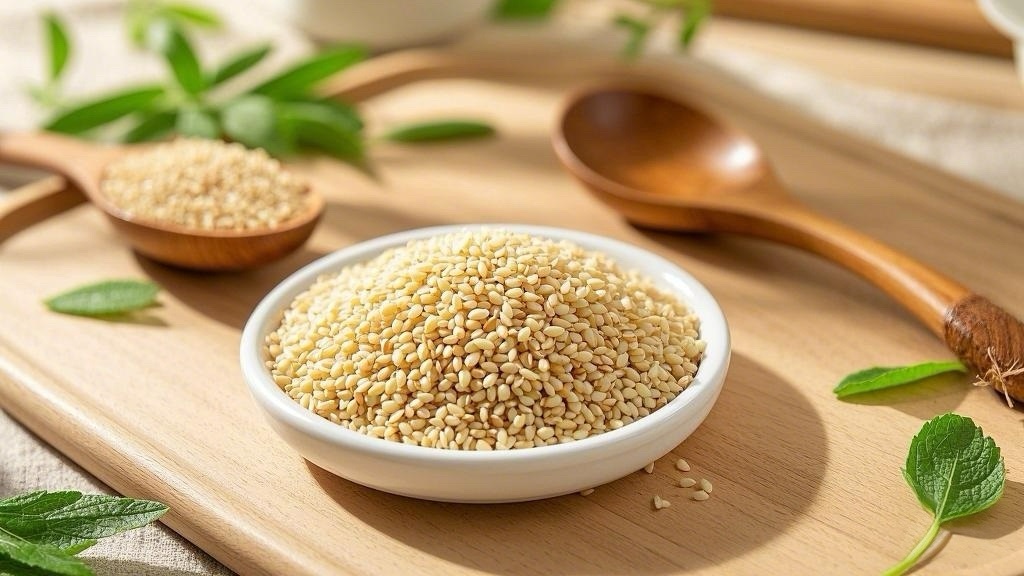
芝麻(学名 Sesamum indicum)是一种古老的油料作物,属于胡麻科植物,其种子小巧但营养丰富。芝麻分为黑芝麻和白芝麻,广泛用于烹饪、调味和制成芝麻油。因其独特的香气和丰富的健康益处,芝麻在全球饮食文化中占有重要地位。
二、芝麻的营养价值
芝麻含有大量健康脂肪、膳食纤维、蛋白质和矿物质,是一种高营养的种子。主要营养成分包括:
1.不饱和脂肪酸:有助于降低坏胆固醇,保护心血管健康。
2.膳食纤维:促进肠道蠕动,支持消化系统健康。
3.植物蛋白:提供优质氨基酸,适合作为植物性蛋白来源。
4.钙:有助于骨骼和牙齿健康,是植物性饮食者的重要钙源。
5.铁:支持血液循环,帮助预防贫血。
三、芝麻的健康益处
1.支持心血管健康:富含不饱和脂肪酸,有助于调节血脂水平。
2.增强骨骼强度:富含钙、镁等矿物质,有助于维持骨骼健康。
3.促进消化:膳食纤维帮助肠道蠕动,改善消化功能。
4.提升抗氧化能力:含有芝麻素和维生素E,可减少自由基损害,延缓衰老。
5.帮助控制血糖:低升糖指数(GI)食材,有助于维持血糖稳定。
四、芝麻的食用方式
1.生芝麻:可直接食用或撒在米饭、沙拉等菜肴中。
2.炒芝麻:炒香后风味更浓郁,可用于烘焙或调味。
3.芝麻糊:黑芝麻研磨成粉,加水煮成糊状,是营养丰富的甜品。
4.芝麻酱:可用作调味品,拌面、拌菜或制作蘸酱。
5.芝麻油:压榨成油,可用于凉拌或增添菜肴香味。
五、关于芝麻的小知识
如何挑选优质芝麻?
选择颜色均匀、颗粒饱满、无异味的芝麻。
黑芝麻和白芝麻的区别?
黑芝麻富含更多抗氧化物质,白芝麻口感较细腻,适合烘焙和制作调料。
芝麻可以长期存放吗?
是的,密封存放在阴凉干燥处可保持新鲜度,避免受潮或氧化。
总结
芝麻是一种营养丰富的种子,富含健康脂肪、膳食纤维、蛋白质和矿物质。适量食用芝麻能促进心血管健康、增强骨骼强度、支持消化系统,并具有抗氧化作用。无论是生吃、炒制、制作芝麻糊、芝麻酱或芝麻油,芝麻都是健康饮食的重要组成部分。
Date: 07/19/2025 07/20/2025
Location: Star River Meditation Center
Teacher: Yunquan Huang
Buddhist Diet and Regimen
Sesame Seeds
Sesame Seeds: A Nutrient-Dense Superfood Rich in Healthy Fats and Minerals
1. What are Sesame Seeds?
Sesame seeds (Sesamum indicum) are small, nutrient-rich seeds derived from one of the oldest cultivated oilseed plants. Available in black and white varieties, sesame seeds are widely used in cooking, seasoning, and as a base for sesame oil. With their rich flavor and numerous health benefits, sesame seeds play a key role in many global cuisines.
2. Nutritional Value of Sesame Seeds
Sesame seeds are packed with healthy fats, dietary fiber, protein, and essential minerals. Key nutrients include:
1.Unsaturated Fats: Help lower bad cholesterol and promote heart health.
2.Dietary Fiber: Supports digestion and gut health.
3.Plant-Based Protein: Provides essential amino acids, making it an excellent vegetarian protein source.
4.Calcium: Supports strong bones and teeth, especially beneficial for plant-based diets.
5.Iron: Aids blood circulation and helps prevent anemia.
3. Health Benefits of Sesame Seeds
1.Supports Heart Health: Rich in unsaturated fats that help regulate cholesterol levels.
2.Strengthens Bones: High calcium and magnesium content contribute to bone health.
3.Aids Digestion: Dietary fiber promotes regular bowel movements and improves gut function.
4.Enhances Antioxidant Protection: Contains sesamin and vitamin E, which combat free radical damage and slow aging.
5.Helps Regulate Blood Sugar: Low glycemic index (GI) food that supports stable blood sugar levels.
4. Best Ways to Eat Sesame Seeds
1.Raw Sesame Seeds: Sprinkled over rice, salads, or other dishes for extra flavor and nutrients.
2.Toasted Sesame Seeds: Roasted for a nuttier taste, used in baking or as a seasoning.
3.Sesame Paste: Ground into a smooth paste for use in sauces, dips, or spreads.
4.Sesame Porridge: Black sesame seeds ground into a fine powder and cooked into a warm, nutritious dessert.
5.Sesame Oil: Extracted from seeds and used as a flavorful dressing or cooking oil.
5. Interesting Facts About Sesame Seeds
How to Choose the Best Sesame Seeds?
Look for uniform, plump seeds with no off-putting odors.
Difference Between Black and White Sesame?
Black sesame seeds contain more antioxidants, while white sesame seeds have a milder taste and are often used in baking.
Can Sesame Seeds Be Stored Long-Term?
Yes, when stored in an airtight container in a cool, dry place, they remain fresh and flavorful for a long time.
Conclusion
Sesame seeds are a nutrient-dense superfood packed with healthy fats, fiber, protein, and essential minerals. Regular consumption supports heart health, strengthens bones, improves digestion, and provides antioxidant benefits. Whether eaten raw, toasted, made into sesame paste, sesame porridge, or sesame oil, these tiny seeds are a powerful addition to a healthy diet.