时间:05/24/2025 05/25/2025
地点:星河禅修中心
主讲:黄云全
斋食养生
杏仁
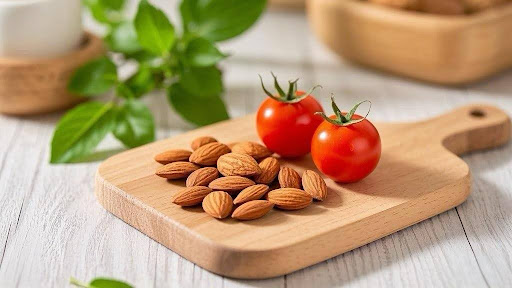
杏仁:富含健康脂肪与抗氧化物的营养坚果
一、杏仁是什么?
杏仁(学名 Prunus dulcis)是一种营养丰富的坚果,来源于杏树的种子。杏仁具有香脆的口感,富含优质脂肪、蛋白质和抗氧化物质,被广泛用于零食、烘焙食品和植物饮品中。
二、杏仁的营养价值
杏仁是一种高能量、富含健康脂肪和多种营养成分的坚果,主要营养成分包括:
1.健康不饱和脂肪:有助于降低坏胆固醇,支持心血管健康。
2.植物蛋白:提供优质氨基酸,是素食者的良好蛋白来源。
3.膳食纤维:促进肠道蠕动,改善消化系统健康。
4.维生素E:强效抗氧化剂,有助于保护皮肤和细胞免受氧化损伤。
5.镁:支持神经系统功能,帮助放松肌肉,缓解疲劳。
三、杏仁的健康益处
1.促进心血管健康:富含不饱和脂肪酸,能帮助调节胆固醇水平,减少心血管疾病风险。
2.增强免疫力:维生素E等抗氧化物质有助于提高机体抵抗力。
3.帮助消化:膳食纤维支持肠道健康,有助于预防便秘。
4.提供持久能量:丰富的蛋白质和健康脂肪可提供长时间的饱腹感,减少饥饿感。
5.有助于血糖管理:低碳水化合物、低升糖指数(GI)食材,有助于保持血糖稳定。
四、杏仁的食用方式
1.生食杏仁:直接食用,保留天然风味和完整营养。
2.烘烤杏仁:烤制后口感更香脆,是健康零食的理想选择。
3.杏仁奶:将杏仁研磨后过滤成植物奶,适合作为牛奶替代品。
4.杏仁粉:用于烘焙糕点或制作健康饮品。
5.杏仁搭配沙拉:与新鲜蔬果混合,提高营养价值和口感层次。
五、关于杏仁的小知识
如何挑选优质杏仁?
选择颗粒饱满、色泽均匀、无异味的杏仁。
杏仁需要泡水吗?
浸泡过夜能去除部分抗营养因子,提高消化吸收率。
每日食用杏仁的适量是多少?
建议每天适量食用,一般为20-30克(约一小把)。
总结
杏仁是一种高蛋白、高健康脂肪、富含抗氧化物质的营养坚果。适量食用杏仁有助于促进心血管健康、增强免疫力、支持消化系统,并提供持久能量。无论是生吃、烘焙、制作杏仁奶还是加入沙拉,杏仁都是健康饮食的理想选择。
Date: 05/24/2025 05/25/2025
Location: Star River Meditation Center
Teacher: Yunquan Huang
Buddhist Diet and Regimen
Almonds
Almonds: A Nutrient-Dense Superfood Rich in Healthy Fats and Antioxidants
1. What are Almonds?
Almonds (Prunus dulcis) are nutrient-rich nuts derived from the seeds of the almond tree. They have a crunchy texture and are packed with beneficial fats, protein, and antioxidants. Almonds are commonly enjoyed as snacks, in baked goods, and as a base for plant-based beverages.
2. Nutritional Value of Almonds
Almonds are high in energy and loaded with essential nutrients. Key nutrients include:
1.Healthy Unsaturated Fats: Help lower bad cholesterol and support heart health.
2.Plant-Based Protein: Provides essential amino acids, making it a great protein source for vegetarians.
3.Dietary Fiber: Aids digestion and promotes gut health.
4.Vitamin E: A powerful antioxidant that protects skin and cells from oxidative damage.
5.Magnesium: Supports nerve function, muscle relaxation, and reduces fatigue.
3. Health Benefits of Almonds
1.Supports Heart Health: High in unsaturated fats that help regulate cholesterol levels and reduce cardiovascular risks.
2.Boosts Immunity: Vitamin E and other antioxidants strengthen the immune system.
3.Aids Digestion: Dietary fiber helps maintain gut health and prevents constipation.
4.Provides Long-Lasting Energy: Rich in protein and healthy fats, keeping you full for longer.
5.Helps Regulate Blood Sugar: Low in carbohydrates and glycemic index (GI), supporting stable blood sugar levels.
4. Best Ways to Eat Almonds
1.Raw Almonds: Consumed as a snack to retain their natural flavor and nutrients.
2.Roasted Almonds: Crunchier and more flavorful, making them a perfect healthy treat.
3.Almond Milk: Blended and strained into a plant-based dairy alternative.
4.Almond Flour: Used in baking and making healthy desserts.
5.Almond Salad Topping: Mixed with fresh vegetables and fruits for added texture and nutrition.
5. Interesting Facts About Almonds
How to Choose the Best Almonds?
Look for plump, evenly colored almonds with no off-putting odor.
Should Almonds Be Soaked?
Soaking overnight removes certain anti-nutrients and improves digestibility.
What is the Recommended Daily Intake of Almonds?
About 20-30 grams (a small handful) per day is ideal for health benefits.
Conclusion
Almonds are a high-protein, healthy-fat-rich, and antioxidant-packed superfood. Regular consumption supports heart health, boosts immunity, aids digestion, and provides sustained energy. Whether eaten raw, roasted, blended into almond milk, or added to salads, almonds are a versatile and nutritious addition to a balanced diet.